
2026-07-24T15:24:06+00:00
font
Enable Reading Mode
A-
A
A+
Gasoline shortages have spread across the Kurdistan Region, with station closures, long queues, and higher transport costs emerging after the government imposed new price caps.
Traffic declined across major cities as drivers conserved their remaining fuel, while taxi passengers reported fare increases of at least 1,000 dinars ($0.76).
Government employee Karwan Abdullah similarly urged authorities to ensure stations follow the new tariff, noting that his car was his only means of reaching work.
The Kurdistan Regional Government (KRG) capped commercial regular gasoline at 850 dinars ($0.65) per liter and maintained subsidized fuel at 750 dinars ($0.57). Before the decision, commercial stations charged more than 1,300 dinars ($0.99) for regular gasoline, around 1,750 dinars ($1.34) for improved fuel, and about 2,000 dinars ($1.53) for super. Higher grades have since largely disappeared from most outlets.
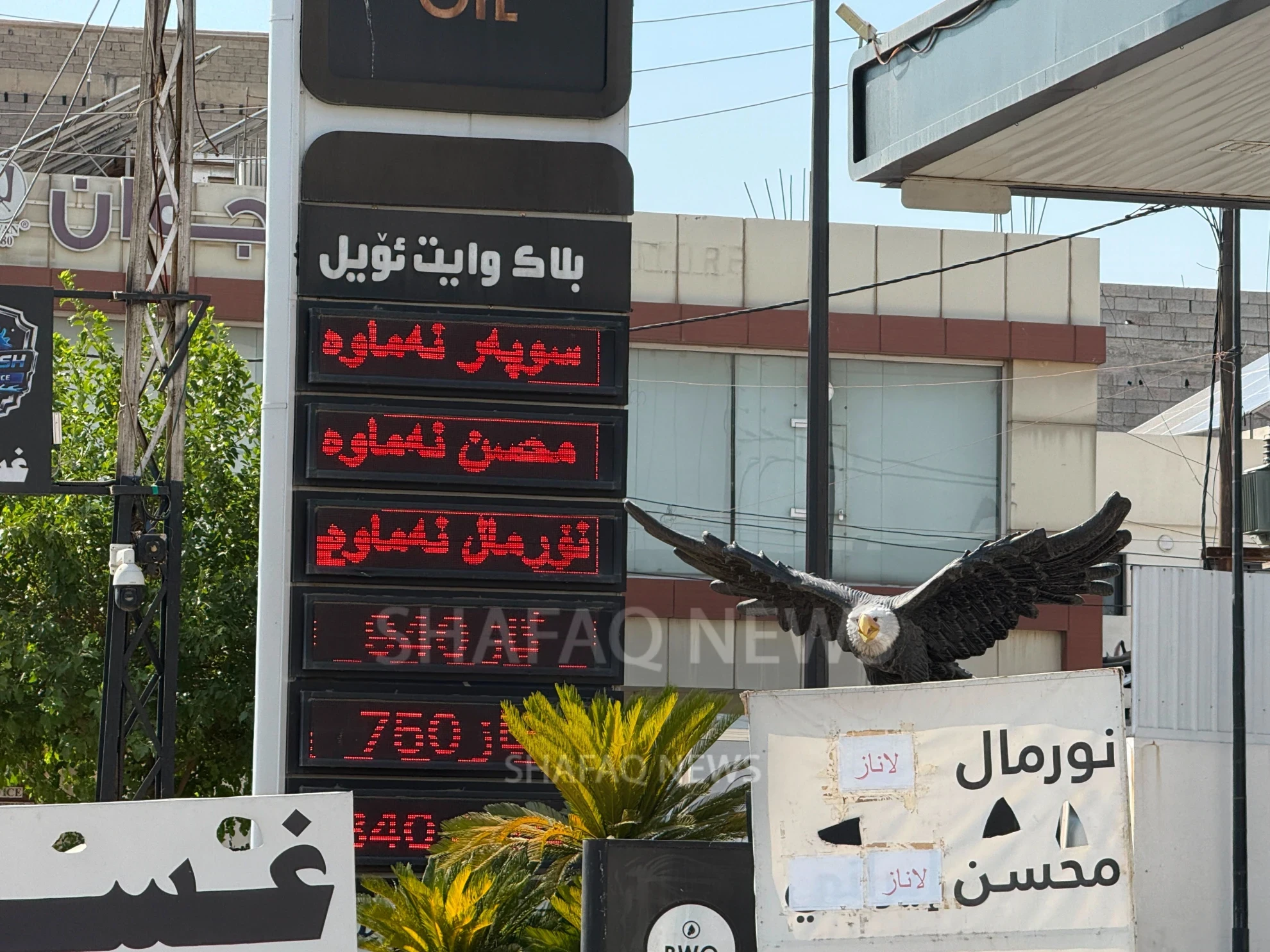
Private operators attributed some closures to import and transport costs that they argue leave insufficient profit under the new ceiling.
Erbil Governor Omed Khoshnaw reported that about 280 stations in the province had committed to the revised price and pledged inspections to prevent hoarding, while KRG Natural Resources Minister Kamal Mohammed Salih warned that violators would face legal action.
The Natural Resources Ministry has ordered continued daily distribution of subsidized regular gasoline and instructed suppliers to release the largest possible quantities.
About the Author