
Hilala Shawkat Lahouni, head of the Waran Organization, and social researcher Kurda Ahmed spoke to ANHA agency about their participation in a seminar discussion held yesterday, Tuesday, in the city of Sulaymaniyah, titled “The Geopolitics of Kurdistan and the Status of Women.”
The seminar saw broad participation from women, activists, and female politicians from all four parts of Kurdistan, aiming to discuss the status of Kurdish women, the impact of geopolitical developments on their lives, and their role in society.
In this context, Hilala Shawkat Lahouni emphasized the importance of holding such seminars, stating: “This seminar is of great importance because it allows women to discuss their issues themselves.” She highlighted the extensive participation of women from various parts of Kurdistan.
Hilala added that the participants discussed the political situations in each part of Kurdistan and the repercussions for women and their level of organization: “We, as women, have gained a clearer picture of what is happening across the four parts of Kurdistan. In some areas, the women’s movement has seen development, whereas the influence of political parties in Southern Kurdistan has had negative repercussions. In other parts, despite the existence of authoritarian regimes, women’s organization remains strong and capable of effectively conveying women’s voices.”
Hilala expressed her hope that such seminars would continue, stating: “We hope these gatherings continue, as they empower women to take the lead on their own issues and contribute to find solutions to the challenges they face. I also hope that women across Kurdistan attain their full rights.”
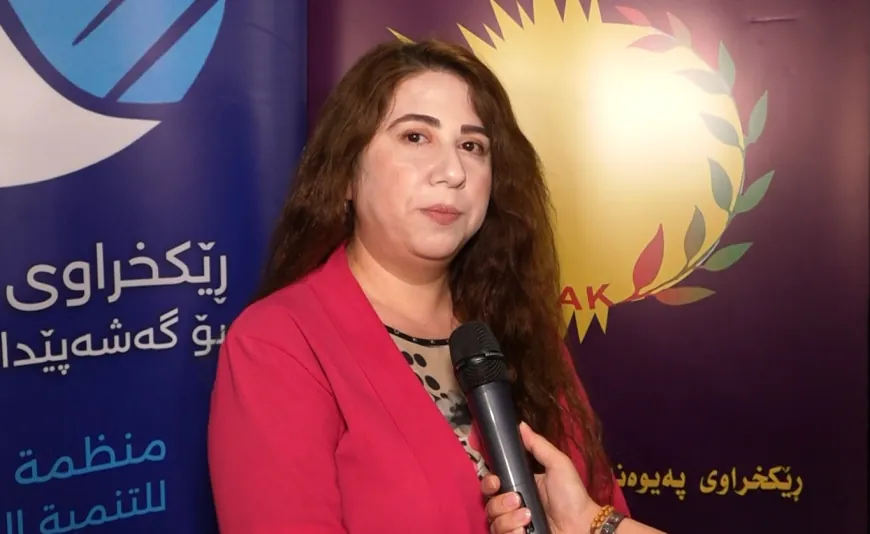
For her part, social researcher Kurda Ahmed stated that one of the key topics discussed at the seminar was the situation of women in Eastern Kurdistan. She noted that women there have faced significant challenges regarding identity, language, and freedoms, in addition to experiencing higher levels of violence compared to other parts of Kurdistan.
She added: “Despite these circumstances, Kurdish women in Eastern Kurdistan have managed to preserve Kurdish culture and played leadership roles across various fields during the era of the Qazi Muhammad Republic. Kurdish women continue to play a vital role in safeguarding Kurdish identity and culture.”
Kurda emphasized that the ruling regime in Iran and Eastern Kurdistan perpetrates violence against women and society, noting that the slogan “Woman, Life, Freedom” reflected the extent of the suffering endured by women and highlighted the challenges they face.
Sh-S
ANHA
About the Author