

2024-11-20T11:50:39+00:00
font
Enable Reading Mode
A-
A
A+
Duhok’s
Census
Duhok
province hosts 15 displacement camps, housing nearly 55,875 displaced
individuals, both in and out of the camps.
Zozan Qasim,
a member of the census teams, explained to our agency, “We are visiting
families, registering data using national ID cards, and assigning each team a
specific number of tents to cover daily.”
Zozan noted
technical challenges that affected the process, saying, “Unfortunately,
some tablets malfunctioned…We are coordinating with the relevant authorities to
resolve the issue quickly and ensure the process runs smoothly.”
Smooth
Process, Wishes to Return
Jasim Hassu,
a displaced person, expressed satisfaction with the organization of the census,
saying, “This process is going well, and our names were recorded easily…We
are cooperating with the census teams, and everything is proceeding smoothly.”
He added that displaced families were “actively” waiting in tents for
registration.
He
continued, “Aid from organizations has dropped significantly. While we
want to return, Sinjar still lacks basic services like water, electricity, and
security.”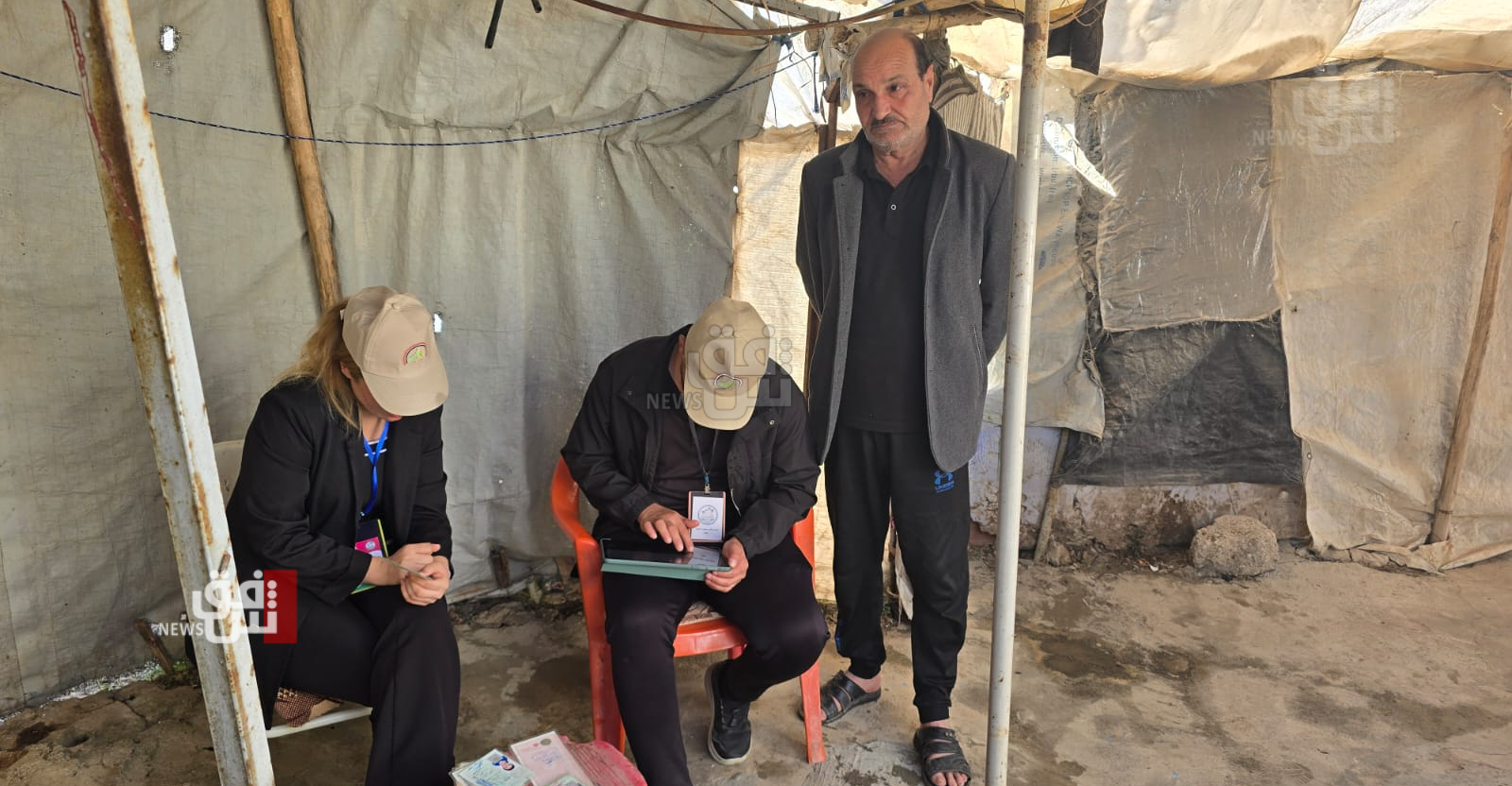
About Duhok
Duhok, one
of the four provinces in the Kurdistan Region of Iraq along with Erbil,
Al-Sulaymaniyah, and Halabja, is located in the country’s northwestern corner
and shares a border with Turkiye. The province spans approximately 6,550 square
kilometers, characterized by its strategic location and mountainous terrain.
Administratively,
Duhok comprises several districts, including Duhok City, the provincial
capital, along with Zakho, Al-Amediya, Akre, and Simele (Sumail).
As of 2014,
Duhok’s population was estimated at 1.2 million, predominantly composed of
Muslim Kurds, with smaller communities of Arabs and Turkmen.
In recent
decades, the province has experienced significant population growth due to
internal migration from other parts of Iraq. This demographic expansion has
been further fueled by conflict-driven displacement, particularly the influx of
Yazidis fleeing ISIS’s occupation of Mount Sinjar.
About the Author


